Quality control and batch documentation
Quality is checked at three stages — before production, during production and on the finished batch — rather than only at the end of the line. Every batch is released with documentation you can hand to your own customer or your market regulator.
Where quality is controlled
1 · Incoming materials
Every raw material is inspected on arrival, supported by supplier vetting and a Certificate of Analysis from the supplier for the specific lot.
- Supplier qualification
- Lot-level CoA review
- Identity and appearance checks
- Storage conditions recorded
2 · In-process control
During production we run real-time checks on the parameters that determine whether the finished product will meet specification.
- Blend uniformity for powders and blends
- Capsule integrity and fill weight
- Tablet weight, hardness and appearance
- Fill volume for liquids
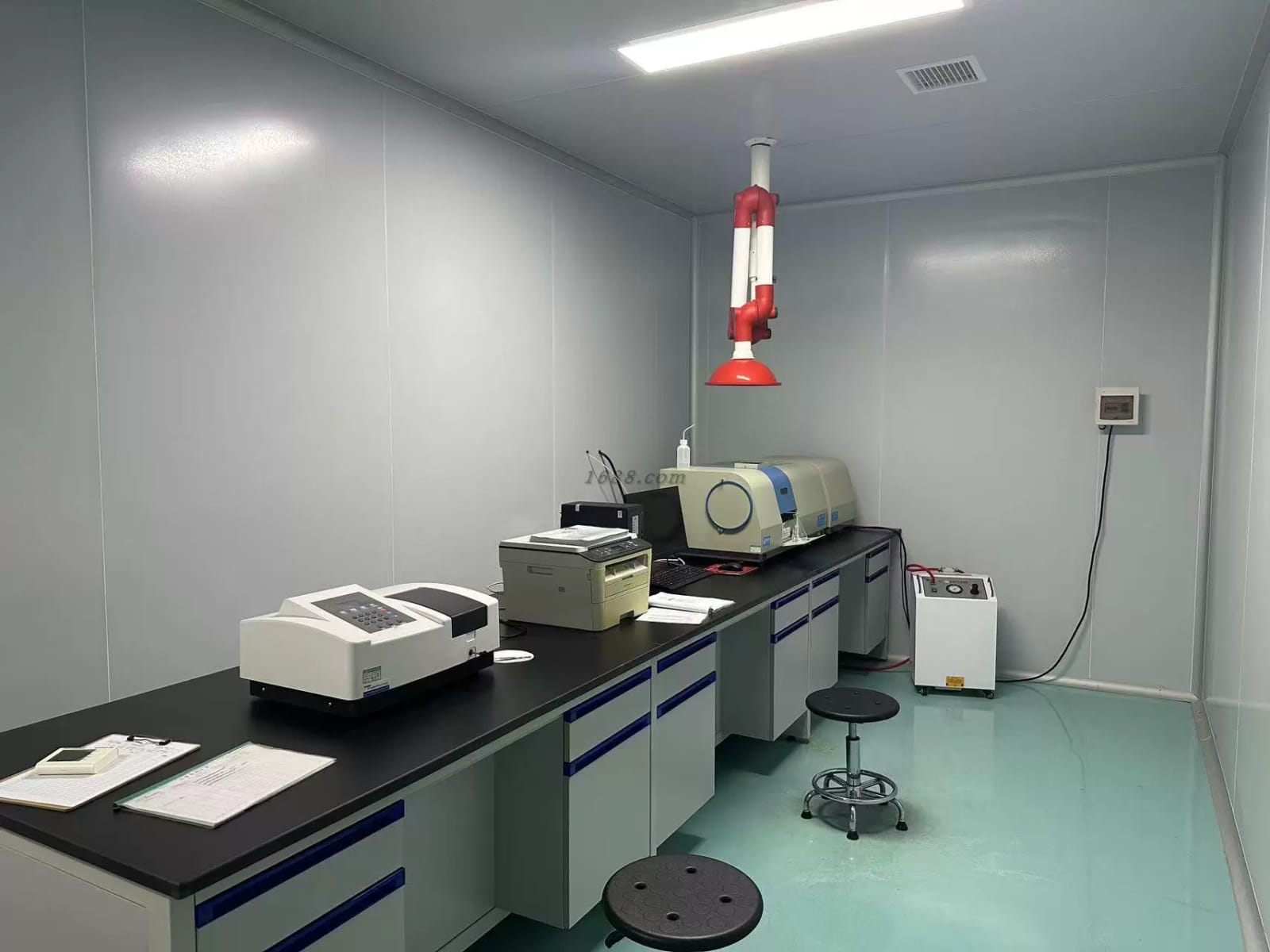
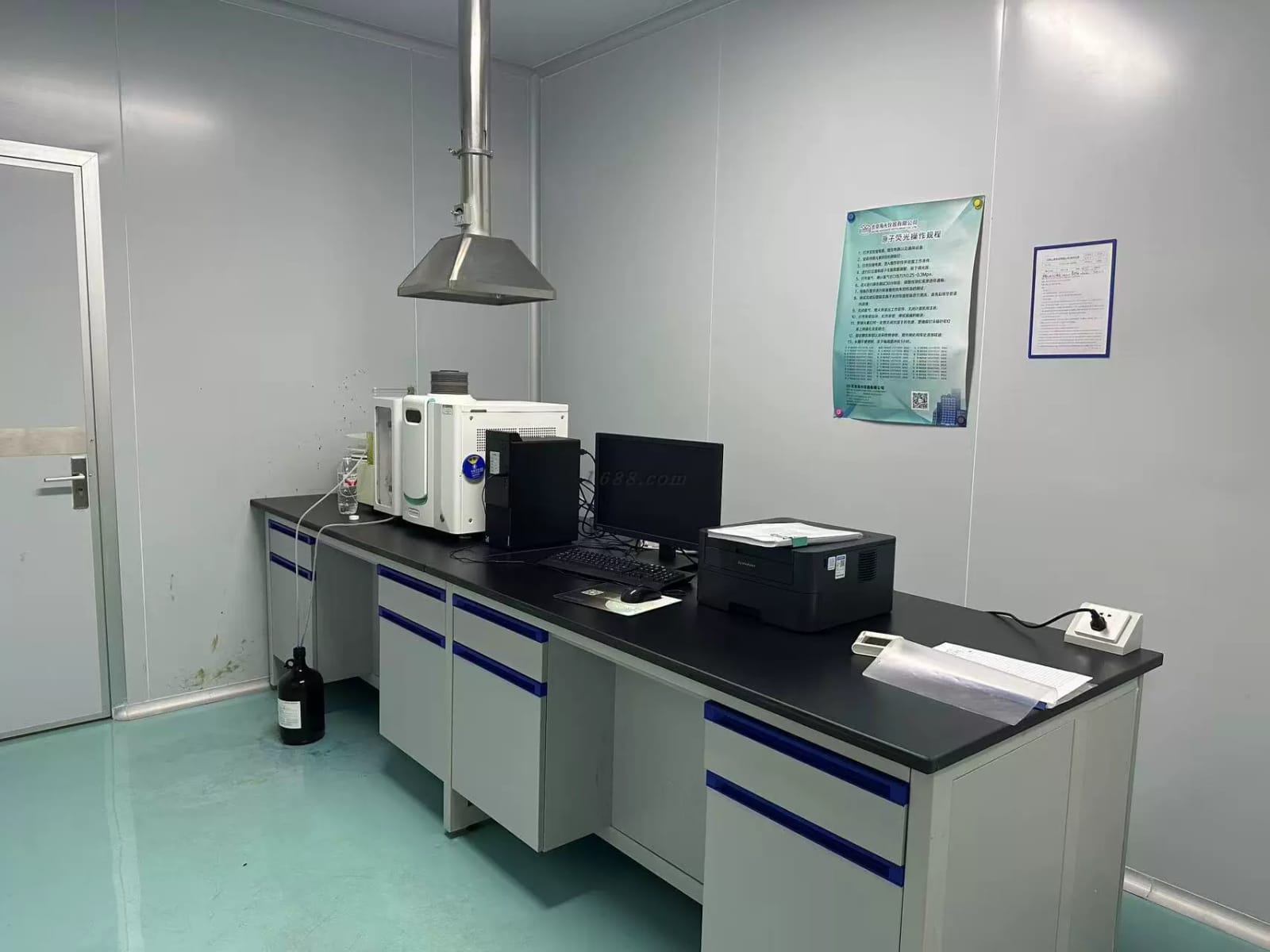
3 · Finished batch
Each finished batch is tested before release, so that a non-conforming batch does not reach your warehouse.
- Microbiological purity
- Heavy metals
- Ingredient potency
- Physical specification and appearance
What you receive with a batch
Documentation is part of the deliverable, not an extra you have to request afterwards.
| Document | What it covers | When it is supplied |
|---|---|---|
| Certificate of Analysis (CoA) | Test results for the specific production batch | Supplied with each batch at release |
| Product specification sheet | Target specification: ingredients, dose, physical parameters | Agreed before production, confirmed at release |
| Technical Data Sheet (TDS) | Technical description of the finished product | Available on request |
| Material Safety Data Sheet (MSDS) | Handling, storage and transport information where applicable | Available on request |
| Traceability record | Link between the finished batch and the raw material lots used | Maintained for every batch |
Every batch can be traced back
Batch records connect the finished product to the raw material lots that went into it. If a supplier issue is ever identified, we know which batches are affected and which are not — and so do you.
- Raw material lots recorded at intake
- Batch records maintained through production
- Finished goods marked with a batch reference
- Records retained so a query can be answered later
A segregated plant layout
Our production areas are separated by product type so that different formats do not share the same equipment without changeover control. It is a simple idea, and it is the reason we can run powders, liquids, tablets and gummies in one facility.
- Separate areas for different product families
- Changeover procedures between products
- Cleaning and line-clearance records
Certificates held by our manufacturing partners
Shenzhen Snoya Biotechnology Co., Ltd. is the contracting and export party. Production is carried out in our own workshop in Shenzhen and, for certain categories and formats, at vetted partner factories in Guangdong and Fujian. The certificates below are held by those partner facilities — they are listed here so you can verify them and see which standard covers which product category.
| Standard | Certificate holder | Certificate no. | Valid until |
|---|---|---|---|
| ISO 22000:2018 — food safety management | Guangdong Come Health Biotechnology Co., Ltd. | CN00124F22709ROM/4400 | 29 Jul 2027 |
| HACCP — hazard analysis and critical control points | Guangdong Come Health Biotechnology Co., Ltd. | 001HACCP2400623 | 29 Jul 2027 |
| NSF/ANSI 455-2 — GMP for dietary supplements | Guangdong Come Health Biotechnology Co., Ltd. | C0831786-HSCDS-3 | 31 Oct 2026 |
| Halal certification | Guangdong Come Health Biotechnology Co., Ltd. | ARA-90223769-30920 | 26 Sep 2026 |
| FDA food facility registration | Guangzhou Kangmeihui Biotechnology Co., Ltd. | 13739798228 | 31 Dec 2026 |
| CE / RoHS conformity — collagen powder | Sanyangtai (Guangdong) Health Industry Co., Ltd | HTT202512251R | Issued 22 Dec 2025 |
| Material Safety Data Sheet | Sanyangtai (Guangdong) Health Industry Co., Ltd | WYD260303001YRS | Issued 3 Mar 2026 |
What we confirm for your project
Certification requirements depend on the product type, the dosage form and the country you are selling into, and they change over time. Rather than leaving you to work it out at customs, we confirm the document list for your specific combination.
- Which manufacturing entity will produce your order
- Which of its certificates apply to your product category
- The testing package your destination market requires
- Label elements and mandatory statements
- The documents your importer will need alongside the shipment
Before you publish anything from this page
Two checks worth doing on your side:
- Halal certification expires 26 Sep 2026 and the NSF certificate 31 Oct 2026 — confirm renewal before quoting them to a buyer.
- Confirm with each partner factory that they are content to be named publicly on your website as a manufacturing partner.
The certificate numbers above are published so that buyers can verify them with the issuing body.
Getting the label right before printing
Label errors are expensive because they are discovered after printing. We review the label content against your market requirements during the sample stage, while changes are still cheap.
- Mandatory information for the destination market
- Ingredient declaration and order of predominance
- Allergen statements and warnings
- Net quantity, batch and best-before fields
- Barcode and carton marking requirements
Documents you should expect from any manufacturer
If you are comparing suppliers, this is a useful checklist — including if you do not choose us.
- A batch-specific Certificate of Analysis, not a generic one
- A specification sheet agreed before production
- A traceability record linking batch to raw materials
- A clear answer on which certificates they do and do not hold
Ask us for the documents your market needs
Tell us the product, the dosage form and the destination country. We will confirm what we can provide and what your importer will need to handle.